
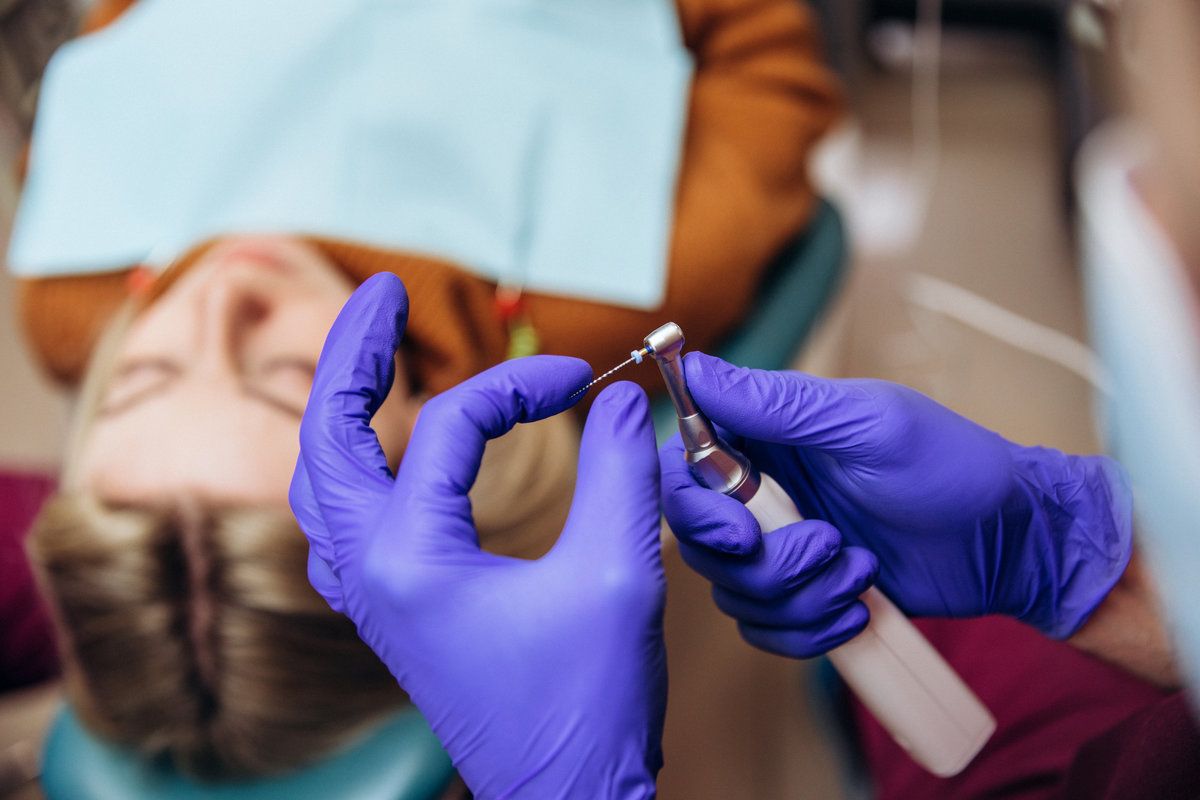
A deep cavity or a sudden injury can bring decay dangerously close to the nerve at the center of your tooth. When that happens, many people assume a root canal is the only path forward, along with the time and expense that come with it. The reality is more hopeful, because in the right situations a much gentler procedure can protect the nerve and keep the tooth fully alive. That procedure is called pulp capping, and it can spare you from more invasive treatment down the road.
At Cedar Pearl Dental, Dr. White uses pulp capping to preserve the health of a tooth whenever decay or damage nears the pulp, but the nerve is still healthy enough to recover. This conservative technique fits naturally within our approach to general dentistry in Crestview, where our first goal is always to save your natural tooth rather than replace it. We carefully evaluate the condition of the pulp before recommending the procedure, because pulp capping works best when the nerve still shows real potential to heal.
Pulp capping is a treatment that places a protective, medicated material over or near an exposed or nearly exposed dental pulp. The pulp is the soft tissue at the core of the tooth that holds its nerve and blood supply, and once it is compromised, the tooth can become painful or infected. By sealing and shielding the pulp, this procedure encourages it to heal and form a natural barrier of new dentin.
The results can be impressive when the technique is used in the right cases. A large ten-year study published in Scientific Reports and hosted by the National Library of Medicine reported that direct pulp capping succeeded in roughly 92 percent of treated teeth, preserving both the tooth and its vitality. Outcomes like these are why we consider pulp capping before moving to more invasive options, and why timely care matters so much when a cavity runs deep.
Not every tooth needs the same version of this treatment, so we match the technique to how close the decay has come to the nerve. During your visit, we remove the decay, examine the pulp, and decide which approach gives the tooth its best chance. We explain our reasoning clearly so you understand exactly what your tooth needs and why.
There are two main forms of pulp capping, and each serves a different situation. The right choice depends on whether the pulp itself has actually been exposed.
In both cases, we finish by placing a durable filling to restore the tooth’s shape and function. When a tooth has lost a significant amount of structure, we may recommend a dental crown afterward to give it lasting strength and protection.

Pulp capping offers a valuable way to avoid a root canal, but it is not the right solution for every tooth. If the pulp is already badly infected or has died, capping it will not resolve the problem, and we will discuss alternatives that better protect your overall health. Being honest about these limits is part of how we help you make sound decisions for your smile.
In situations where a tooth cannot be saved, we provide gentle oral surgery and talk through replacement options so you are never left without a plan. As a practice offering comprehensive family dental care in Crestview, we handle diagnosis, conservative treatment, and any follow-up under one roof. That continuity lets Dr. White track your tooth’s progress closely and step in quickly if your needs change.
For most patients, a pulp capping appointment feels much like getting a standard filling. We numb the area with local anesthetic, gently remove the decayed portion of the tooth, and place the medicated capping material before sealing the tooth with a restoration. The visit is typically completed in a single appointment, and you can return to your normal routine the same day.
Mild sensitivity in the days that follow is normal as the pulp begins to heal. We will schedule follow-up visits to check the tooth’s response, since a healthy nerve should grow calmer over time rather than more painful. If anything changes between visits, such as lingering pain or swelling, we ask you to let us know right away so Dr. White can reassess the tooth and adjust your treatment plan if needed.
Catching a deep cavity early can make the difference between a simple pulp capping and a far more involved procedure. Dr. White and our team will evaluate your tooth, explain your options in plain language, and choose the most conservative treatment that gives your natural tooth the best chance to thrive. Families across Crestview and the surrounding Okaloosa County communities rely on us for care that puts preservation first.
If you are dealing with a deep cavity, lingering sensitivity, or a recent injury near a tooth, we encourage you not to wait. Reach out to contact our Crestview office to schedule an evaluation, and we will help you protect your tooth before a small problem becomes a bigger one.
From your first consultation to your ongoing care, we’re committed to providing you with exceptional dental services in a welcoming environment.
Conveniently located in crestview, FL
GIVE US A CALL
OPENING HOURS
Monday, Wednesday, Friday: 8:00 AM – 5:00 PM
Tuesday, Thursday: 8:00 AM – 8:00 PM
Saturday: 8:00 AM – 12:00 PM (every second Saturday only)
Sunday: Closed
 Medically reviewed by Dr. Daniel S. White, DMD