
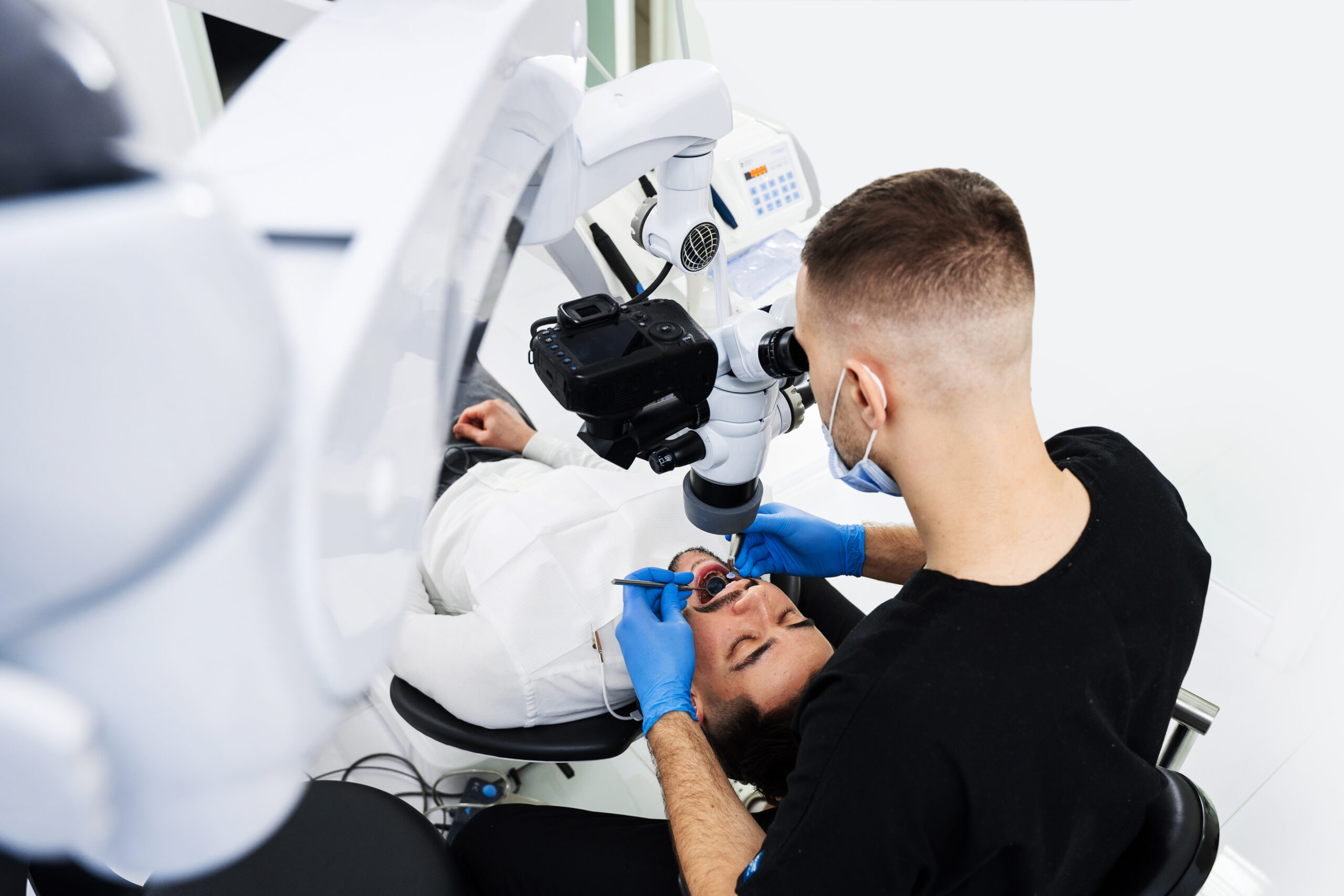
Don’t wait on tooth pain. Early treatment means less complexity, faster recovery, and better outcomes. If you’re experiencing any of the symptoms below, contact Cedar Pearl Dental promptly — we can often see urgent cases quickly. Learn more about our endodontic care.
Saving your natural tooth through root canal therapy provides benefits that no artificial replacement can match. Your natural tooth maintains proper chewing function, preserves your natural bite force and sensation, protects other teeth from excessive wear, and prevents jawbone deterioration. Root canal treatment is nearly always preferable to extraction, both functionally and economically.
Most patients return to normal activities the next day after root canal therapy. You may experience mild sensitivity or tenderness for a few days, which usually responds well to over-the-counter pain relievers. We’ll provide specific aftercare instructions and schedule a follow-up appointment to place a permanent crown, which protects and strengthens the treated tooth.
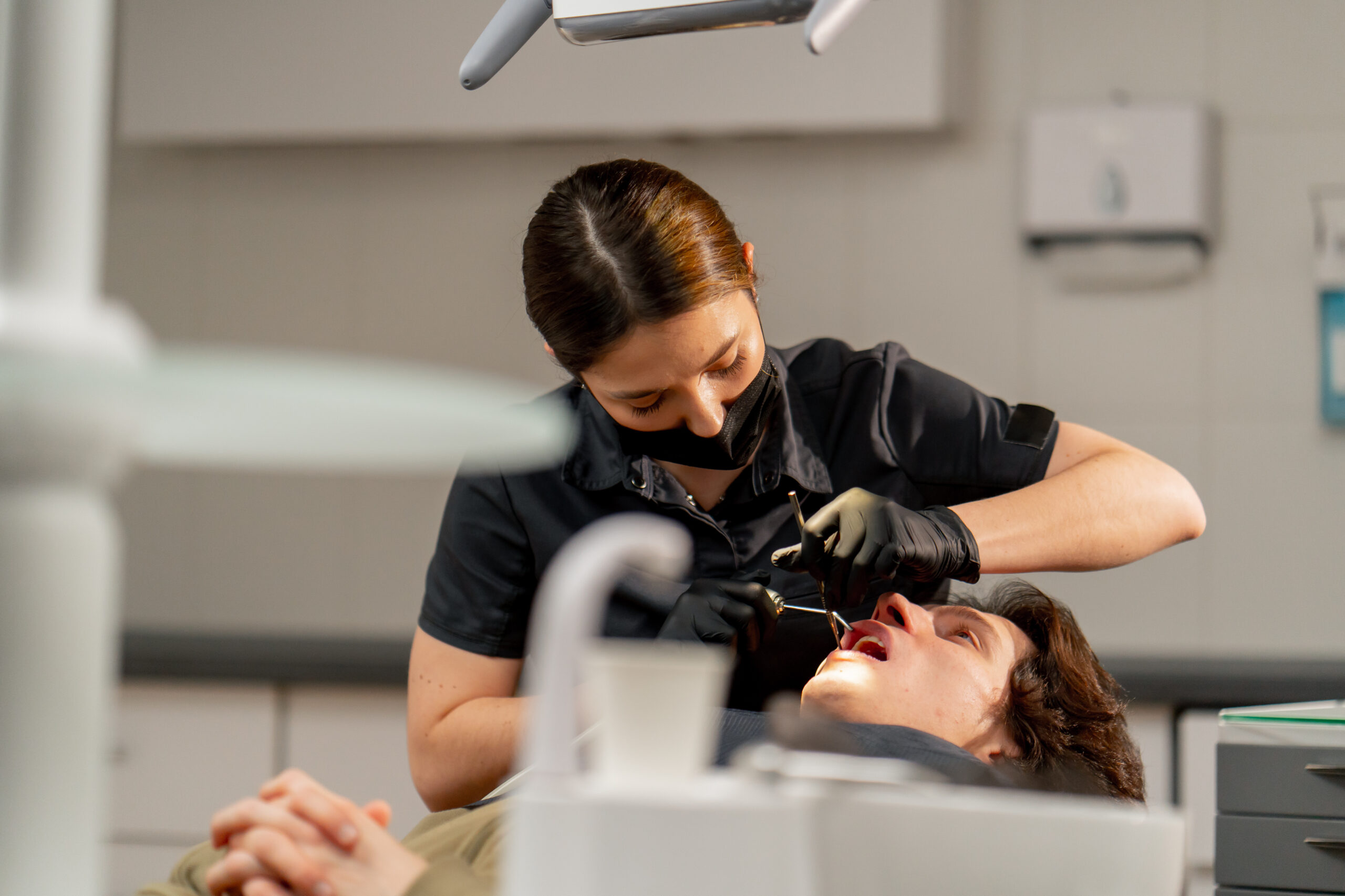
Several symptoms suggest you may need root canal therapy. If you notice any of the following, contact Cedar Pearl Dental promptly — early treatment significantly simplifies the procedure and improves outcomes:
An infected tooth does not heal on its own. Delaying treatment allows the infection to spread to surrounding bone, neighboring teeth, and in severe cases, into the jaw or neck. What could have been a straightforward one-appointment root canal can become a surgical extraction with bone loss — and then the cost and complexity of a dental implant or bridge to replace the missing tooth. Acting early keeps treatment simpler, faster, and less expensive.
Root canal therapy typically requires one or two appointments, depending on the complexity of your case. Here is what happens at each stage:
Modern root canal therapy is far more comfortable than its outdated reputation suggests. With effective anesthesia, most patients report feeling little to no discomfort during the procedure. Many tell us the experience is no more uncomfortable than getting a routine filling. The treatment actually relieves the severe pain caused by the infection.
We use advanced technology and techniques that make root canal therapy more efficient and comfortable than ever before. Digital imaging helps us visualize the tooth structure precisely. Modern instruments allow for thorough cleaning with minimal discomfort. For patients with dental anxiety, we offer sedation options that help you feel relaxed and at ease throughout your treatment.
Root canal success rates exceed 95 percent when performed by experienced practitioners. Once treated and properly restored with a crown, a root canal tooth can last a lifetime with good oral hygiene. You’ll care for it just like your other teeth with regular brushing, flossing, and professional cleanings. The tooth functions normally and remains an integral part of your smile.
Maintaining good oral hygiene and attending regular dental checkups helps prevent future problems. While the treated tooth no longer has living pulp tissue, it can still develop decay if not properly cared for. The crown protecting the tooth needs the same attention as your natural teeth. With proper care, your root canal tooth should serve you well for many years to come.
When faced with a severely infected tooth, you may wonder whether to save it with root canal therapy or have it extracted. While extraction may seem simpler, it creates additional problems that require costly solutions. Missing teeth allow surrounding teeth to shift, can cause bite problems, may lead to bone loss in the jaw, and affect your ability to chew properly.
Replacing an extracted tooth with a dental implant or bridge costs significantly more than root canal therapy and a crown. These replacement options, while effective, cannot fully replicate the function and feel of your natural tooth. Whenever possible, saving your natural tooth through root canal treatment provides the best long-term outcome for your oral health and your budget.
Don’t let tooth pain go untreated. Root canal therapy at Cedar Pearl Dental can save your tooth and eliminate infection safely and comfortably. Dr. White and our experienced team provide gentle endodontic care for patients throughout Crestview and Okaloosa County. We accept most major insurance plans for our military families.
Contact our office today at (850) 682-2720 if you’re experiencing tooth pain or sensitivity. Early treatment prevents complications and offers the best chance of saving your natural tooth. We’ll evaluate your condition, discuss your treatment options, and help you achieve lasting relief and dental health.
From your first consultation to your ongoing care, we’re committed to providing you with exceptional dental services in a welcoming environment.
Conveniently located in crestview, FL
GIVE US A CALL
OPENING HOURS
Monday, Wednesday, Friday: 8:00 AM – 5:00 PM
Tuesday, Thursday: 8:00 AM – 8:00 PM
Saturday: 8:00 AM – 12:00 PM (every second Saturday only)
Sunday: Closed
 Medically reviewed by Dr. Daniel S. White, DMD